
Why protecting children means nurturing their physical health, emotional security, dignity, and right to be heard.
When we think about a child's wellbeing, what comes to mind first?
For many of us, it's the basics: having enough food, a safe place to sleep, access to education, and proper healthcare. And while all these things are essential, I believe that a child's wellbeing goes much further than that. As a mother myself, I have come to understand that raising a child is not simply about meeting their physical needs. It's also about the little things we sometimes overlook.
How safe do they feel expressing their emotions? Do they feel listened to? How do we respond when they make mistakes? And perhaps most importantly, do they know they can turn to us when something is wrong?
These are questions I believe every parent and caregiver should reflect on, because childhood is about growing physically. It is also about developing emotionally, mentally, and socially.
The environment we create for children today plays an important role in shaping the adults they will become tomorrow.
Understanding Child Wellbeing
Child wellbeing is about ensuring that children have the care, protection, opportunities, and support they need to grow and develop in a healthy environment. It includes physical health, emotional security, mental wellbeing, education, social relationships, and the freedom to develop their abilities and personalities.
The World Health Organization (WHO) recognizes that children's health and wellbeing depend on interconnected factors, including adequate nutrition, safe environments, supportive relationships, and access to essential health services.
A child may have access to food, clothing, and education, yet still struggle emotionally because they do not feel understood, supported, or safe expressing themselves.
Equally, a child growing up in difficult financial circumstances may find strength and reassurance in having caring adults who provide stability, encouragement, and affection.
Of course, emotional support cannot replace basic necessities such as proper nutrition, healthcare, or safe housing. Children need both. True child wellbeing is not simply about ensuring that children survive. It is about giving them the opportunity to thrive.
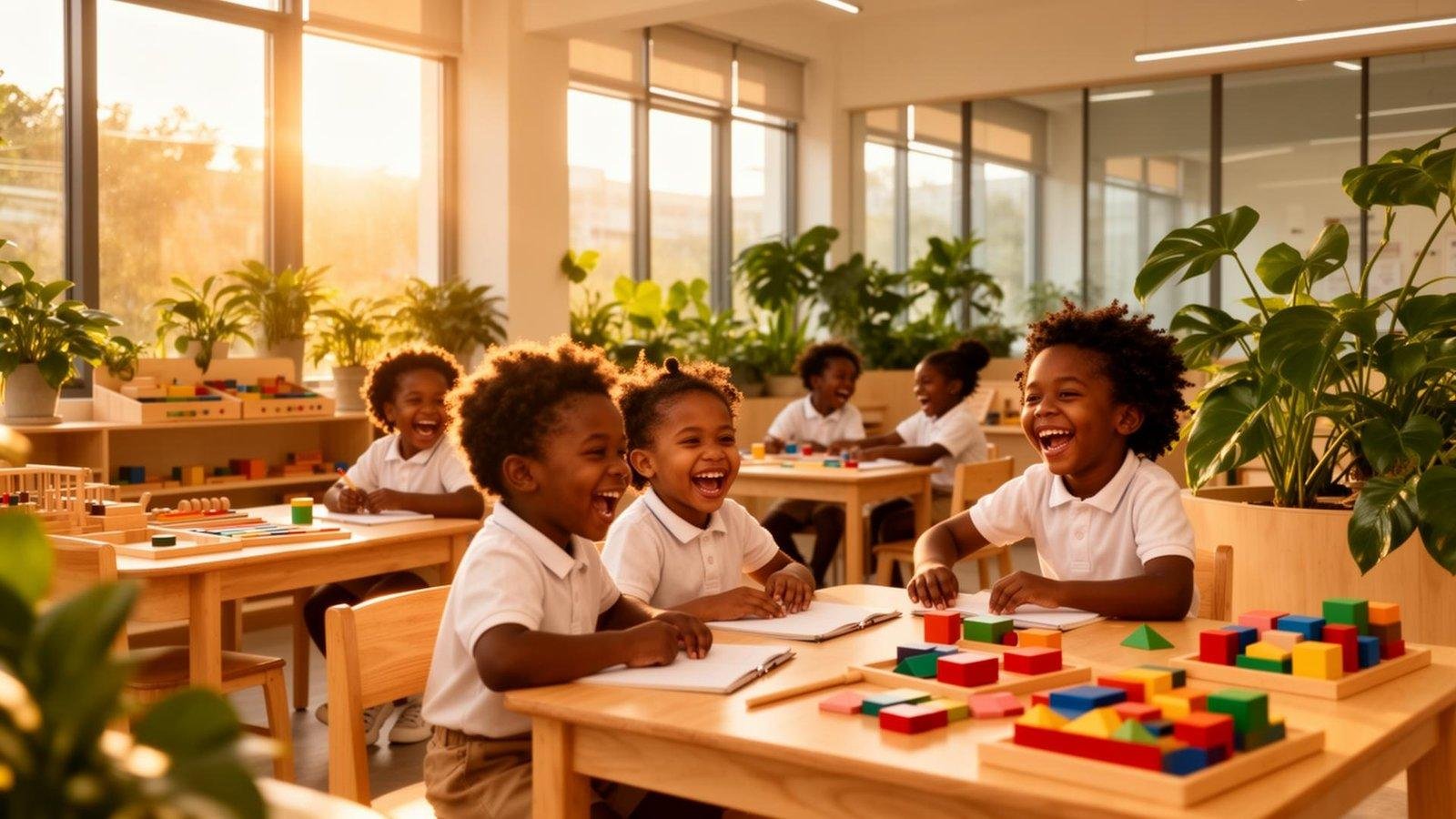
Safety Goes Beyond Physical Protection
When we speak about keeping children safe, we often think about protecting them from physical harm, abuse, or dangerous environments. But emotional safety matters just as much.
A child should feel comfortable asking questions, expressing sadness, admitting mistakes, and sharing concerns without constantly fearing rejection, humiliation, or punishment. As adults, we sometimes forget that situations which may seem insignificant to us can feel overwhelming to a child.
A disagreement at school, a harsh comment, or the feeling of not being included may affect them more deeply than we realize. This is why listening, patience, and reassurance are so important.
Being a parent does not mean getting everything right. I certainly believe that parenting is a continuous learning experience, and there will always be moments when we question whether we could have handled something differently.
What matters is being willing to recognize those moments, learn from them, and create an environment where our children feel loved, respected, and secure.
Children need boundaries and guidance, but they also need compassion and understanding. These things should go hand in hand.
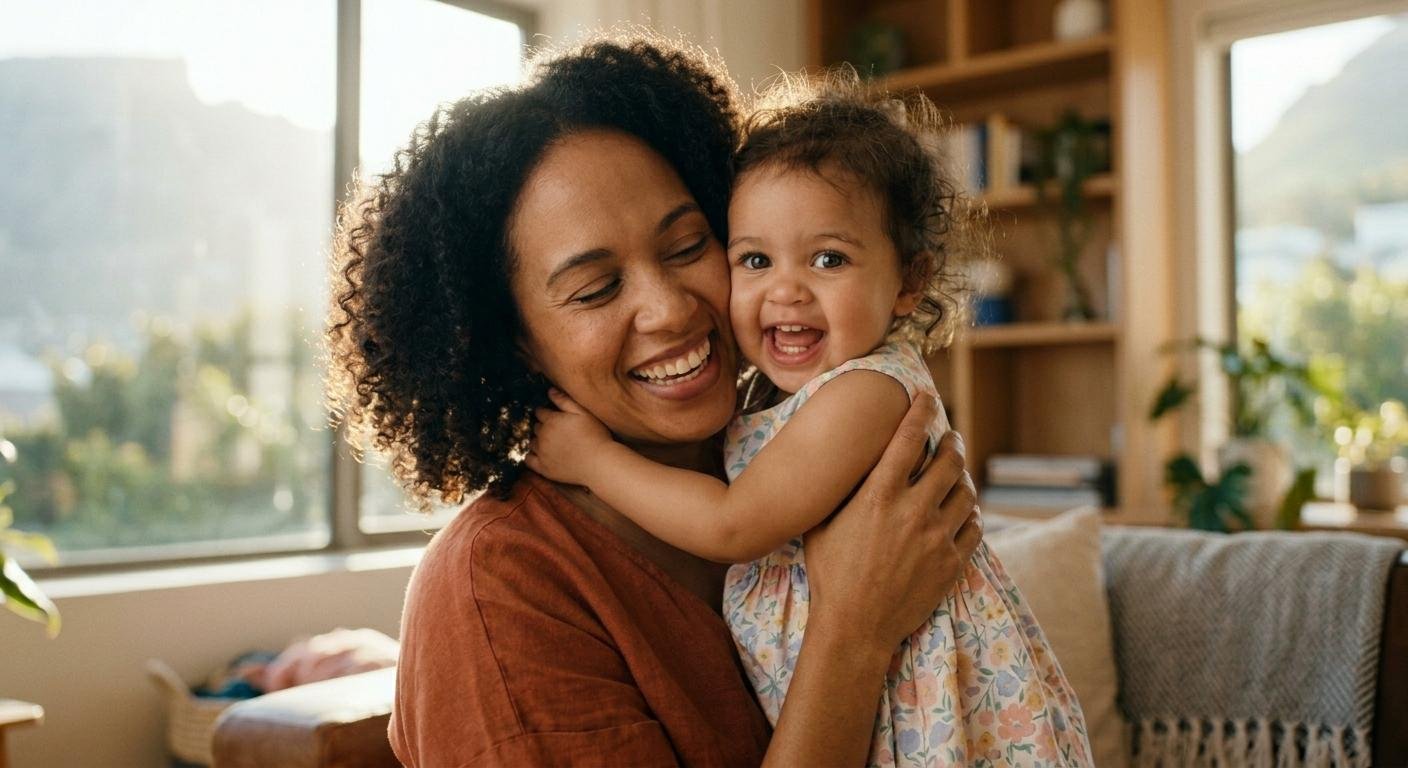
Every Child Has the Right to Be Heard
One aspect of child advocacy that I feel particularly strongly about is recognizing that children have voices of their own. As adults, we naturally make decisions intended to protect and guide them. However, that should not mean dismissing their thoughts, feelings, or experiences simply because they are young.
Listening to children does not mean allowing them to make every decision or removing necessary boundaries. It means recognizing that their feelings matter and that their perspectives deserve consideration.
Article 12 of the United Nations Convention on the Rights of the Child (1989) recognizes children's right to express their views on matters affecting them, with those views given appropriate weight according to their age and maturity. I believe this is something we can practice in everyday life.
Sometimes, rather than immediately correcting a child or telling them how they should feel, we can simply ask why they feel that way. We may be surprised by what we learn when we genuinely listen.
A child who feels heard is given an important foundation for developing trust, confidence, and a sense of belonging.
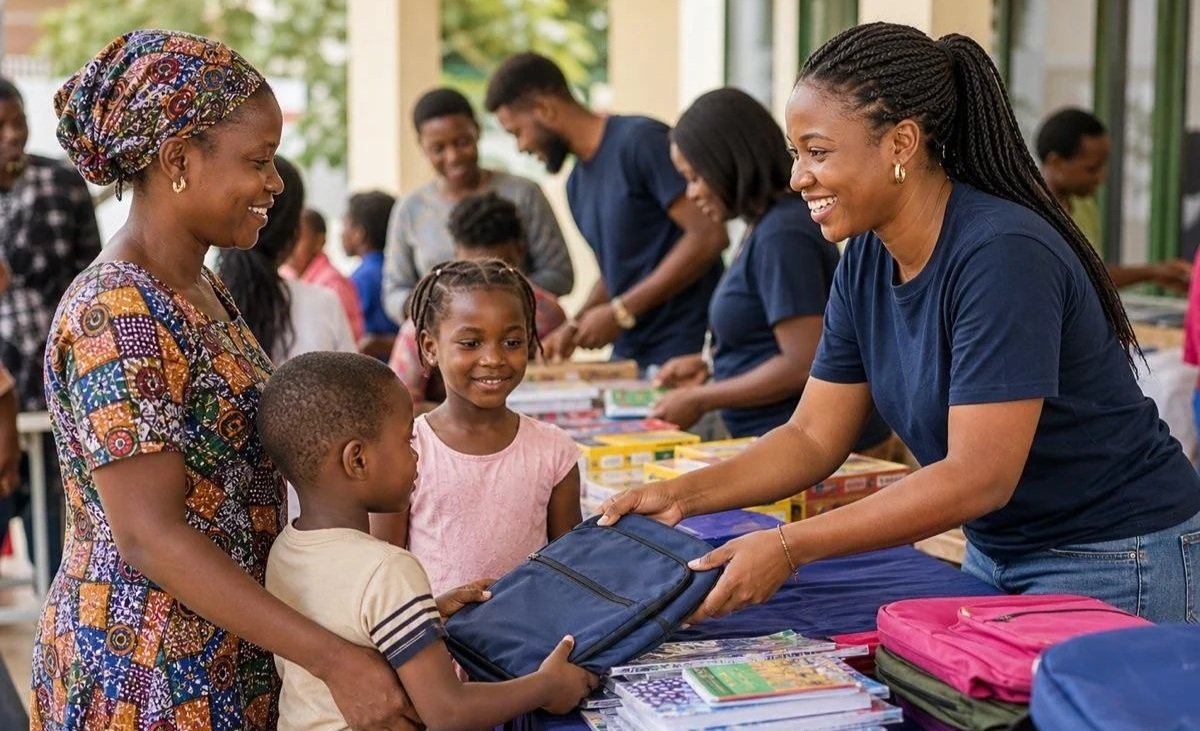
The Reality for Children Facing Difficult Circumstances
While many of us work hard to provide safe and loving homes, we must also acknowledge that children around the world face circumstances that threaten their wellbeing. Poverty, displacement, violence, neglect, limited access to education, and inadequate healthcare can all create significant challenges during childhood.
For some children, attending school regularly is not guaranteed. For others, accessing medical care, nutritious meals, or even a safe place to sleep remains a daily struggle. Children living with disabilities or those affected by humanitarian crises may face additional barriers to receiving the support they need.
UNICEF's Child Protection Strategy 2021–2030 highlights the importance of preventing and responding to violence, exploitation, abuse, and neglect, while recognizing that protecting children requires coordinated efforts across society.
These are not simply statistics or distant problems. They represent real children, each with their own personality, hopes, abilities, and potential. And none of them should be defined solely by the difficulties they face.
As a mother, I cannot help but think about how much we want for our own children: safety, happiness, good health, education, and opportunities for a better future. Every child deserves those same opportunities, regardless of where they are born or the circumstances of their family. This is why child advocacy matters.
It is about recognizing inequalities, raising awareness, supporting children's rights, and encouraging practical action that can improve their lives.
Child Wellbeing Is a Shared Responsibility
Although parents and caregivers play a central role in a child's development, protecting and promoting child wellbeing cannot rest on families alone. Schools, healthcare professionals, community organizations, policymakers, and society as a whole all have responsibilities.
Families experiencing financial hardship may need practical assistance. Parents may benefit from access to reliable information and support. Schools need safe, inclusive environments where children can learn and develop.
The United Nations Convention on the Rights of the Child also recognizes the importance of supporting parents and caregivers in fulfilling their responsibilities toward children's development and wellbeing. Communities have an important role in recognizing when children or families may be struggling and helping them access appropriate support.
Sometimes, making a difference begins with something as simple as listening without judgment, offering encouragement, or directing someone toward a service that can help. Other situations require trained professionals and proper safeguarding procedures, particularly when there are concerns about abuse, neglect, or a child's immediate safety.
No single person or organization can address every challenge, but collective efforts can create meaningful change.
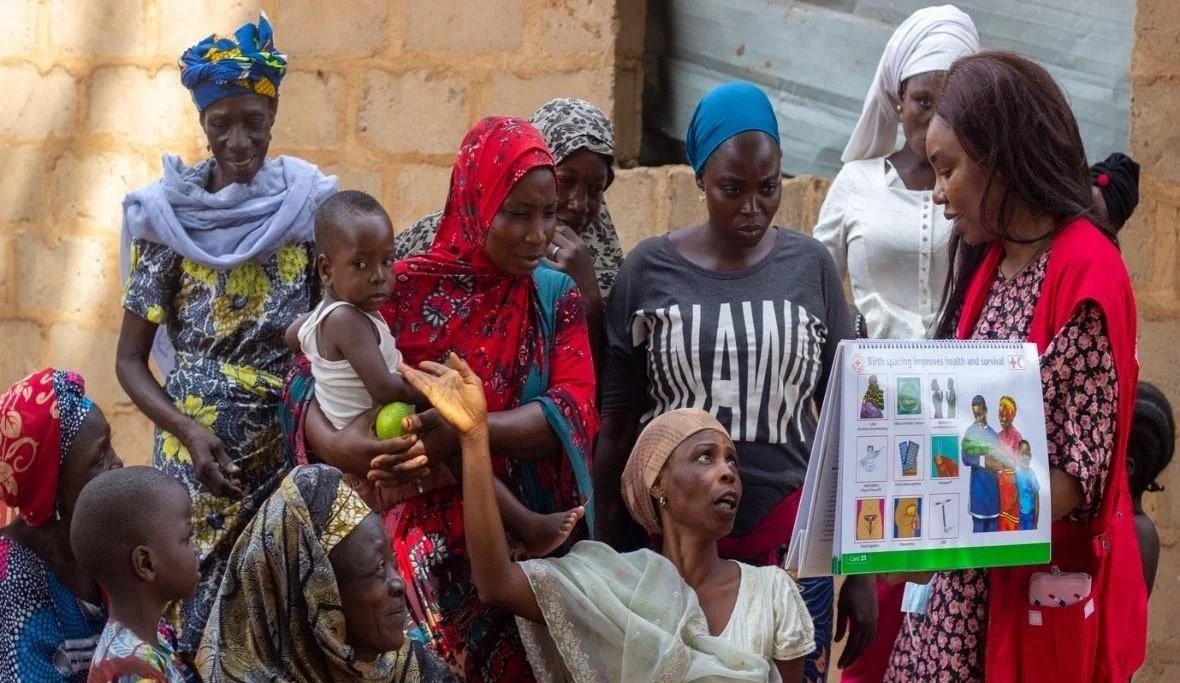
Building a Better Future Starts With Us
I believe one of the most important things we can do is become more conscious of how our actions, attitudes, and decisions affect children. We can encourage open communication at home, teach children that their feelings matter, promote kindness and inclusion, and challenge attitudes that normalize harmful treatment.
We can also support initiatives that improve access to education, healthcare, and child protection services. Through child advocacy and awareness, organizations such as Flying Nupe Foundation (FNF) and Neighbourhood Health Humanitarian Foundation (NHHF) can contribute to conversations that encourage greater understanding and responsibility toward children's needs.
Awareness alone may not solve every problem, but it is an important step toward recognizing where change is needed. And meaningful change often begins when people choose not to look away.
A Final Thought
When I look at my own child, I naturally think about the future I want for him. I want him to grow up healthy, confident, and emotionally secure. I want him to know that he is loved that his voice matters, and that he has the freedom and support to discover who he is.
But I also think about the children who may not have the same opportunities, protection, or support. Children whose circumstances are shaped by challenges they did not choose and cannot control. Their wellbeing matters just as much.
For me, child advocacy begins with recognizing that every child has value, every child deserves dignity, and every child should have the opportunity to grow in an environment where they feel safe and supported.
We may not be able to change every child's circumstances overnight, but we can each contribute toward creating a world that takes their needs, rights, and futures seriously.
Because every child deserves more than simply getting through childhood. Every child deserves the chance to thrive.
And that is a responsibility we all share.
References
World Health Organization (2024). Improving the Health and Wellbeing of Children and Adolescents: Guidance on Scheduled Child and Adolescent Well-Care Visits.
https://www.who.int/publications/i/item/9789240085336United Nations (1989). Convention on the Rights of the Child. Articles 12, 18, 19, and 27.
https://www.unicef.org/child-rights-convention/convention-textUNICEF (2021). Child Protection Strategy 2021–2030.
https://www.unicef.org/documents/child-protection-strategy